The Legend of Gang Gang Sara
Crossings: A Memory of Flying
Please turn your screen sideways to enter.
On one night in April 2027, Black women rise in light across an enormous bluff in the Atlantic, off the coast of Toco, Trinidad. Crossings: A Memory of Flying holds at its center the life and legend of Gang Gang Sara, a woman enslaved on Tobago in the 1700s who everyone knew could fly. For a month, my grandmother’s house in Woodbrook, Port of Spain, hosts her memory.
Crossings: A Memory of Flying is a work of social practice and site-specific installation. In a grandmother’s house in Port of Spain, it lives for a month as a group installation, where invited local artists make work toward a collective memory of Sara, and the many ways people hold her. On a bluff at Toco, it rises for one night, taking the landscape itself as its material: the rock, the sea, the spray. Gathering and ceremony are its method: a cohort of women who remember together across two days.
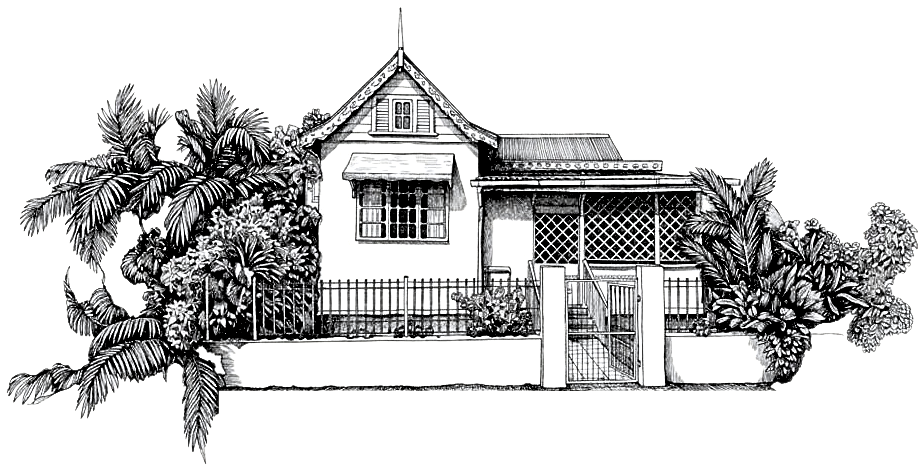
For generations of grandmothers, it was the women who kept the secrets. They held the stories of the family. It was in the company of women that the veil could come off, where you could be weak and have your shames dignified. Mothers went in secret to other mothers to borrow money for school clothes. Grandmothers counseled the young, and kept beds for those without. Stories and strategies passed in hushed voices, over tea, over the stove, over the garden wall, one woman to another.
These stories are made of what remembering knows across generations of crossings, past the anonymized ships that brought grandmothers’ grandmothers. Stories that apprenticed each other, and us, to flight.
Our stories are elders. The story of Gang Gang Sara is one.
My grandmother’s house, where I was raised on such stories, is now a gallery. In April 2027, for one month, it holds this work and opens to the public. My grandmother’s room holds Gang Gang Sara and the memory of flying, in an installation of light and shadow.
The living room holds the companion work Speaking in Shadows, which attends to re-membering across generational migrations—another current of crossing.
In the garden my mother built for my grandmother, under the mango tree, we host public programming: speakers, artists, musicians, poetry, intimate conversations, and communal remembering.
In the Caribbean, we go to the sea to remember, and the sea remembers us back. To be remembered is to be born a relation.
This is a ceremony by the sea. It unfolds over two days, with a cohort of fifteen to twenty women of African ancestry, beginning in the house and ending at the sea. On its final night, where the Atlantic Ocean meets the Caribbean Sea, the women gather at the water, around the story of Gang Gang Sara. For many descendants of the enslaved, the ones who came before remain unnamed. On this night, we name Sara, and through her, all of them.
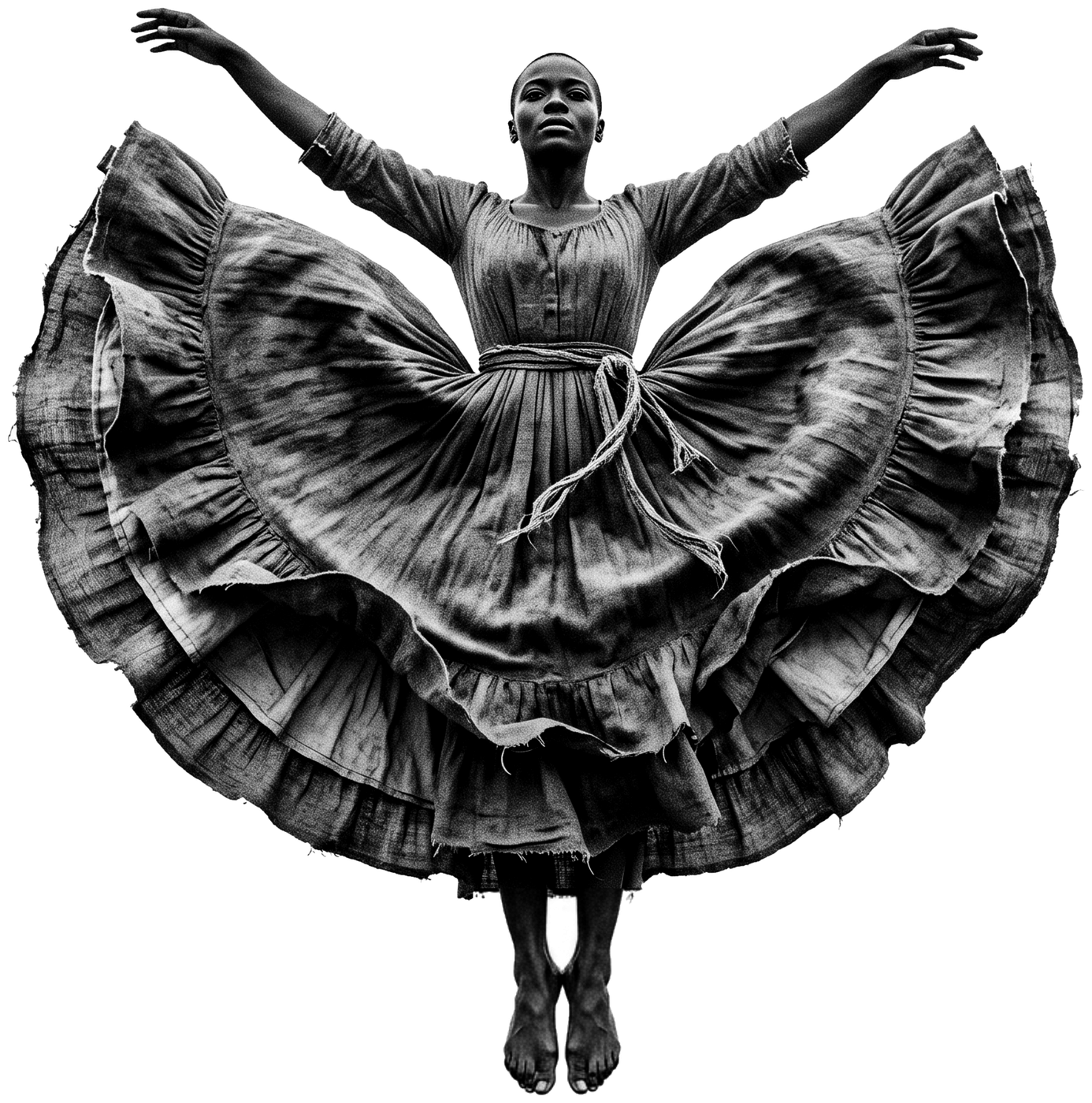
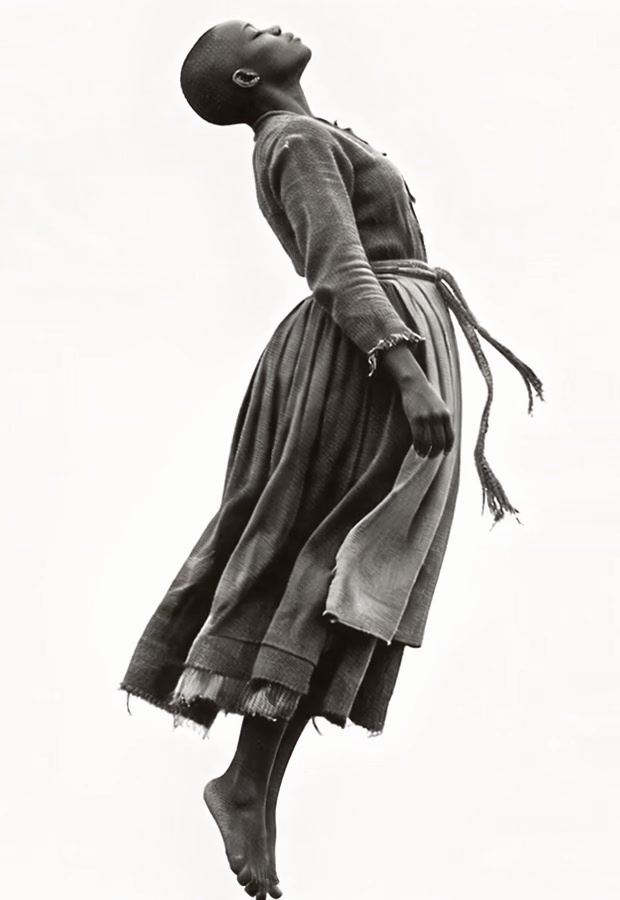
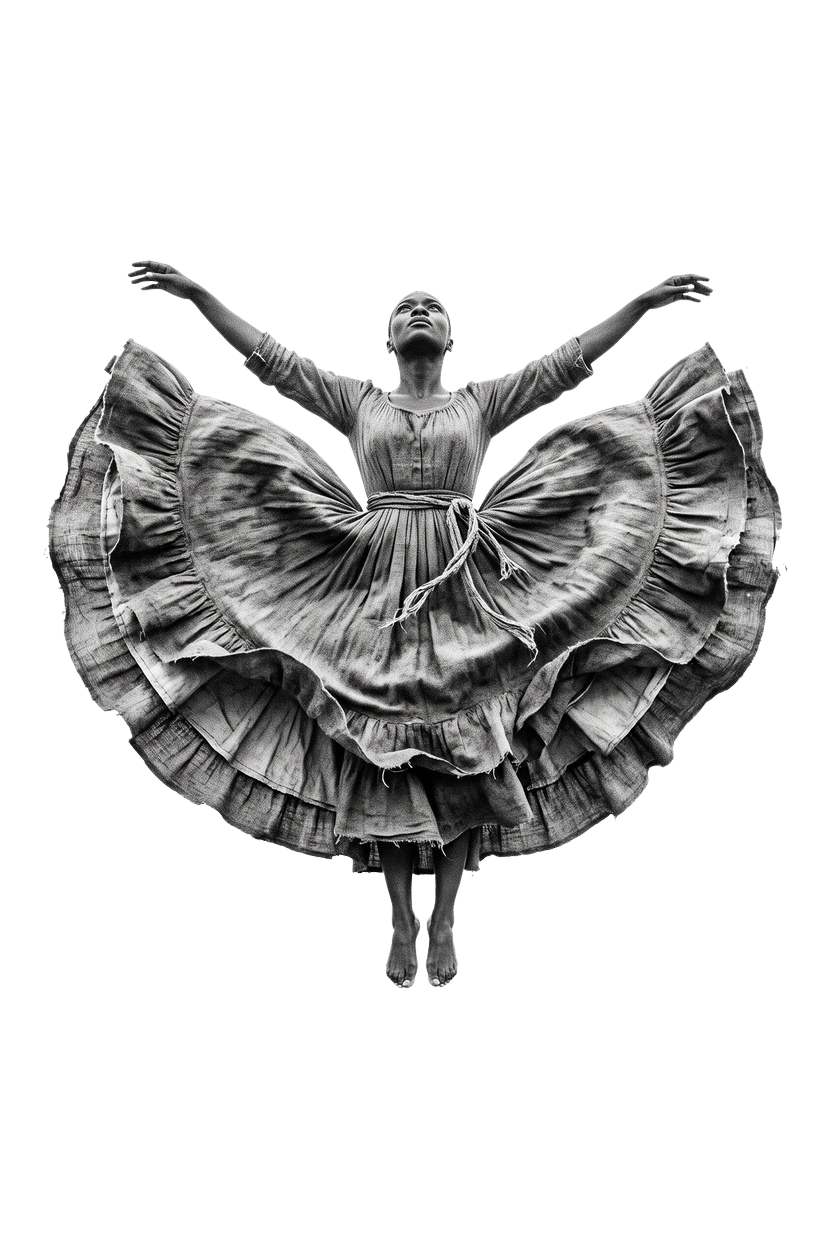
Cast in light across the face of an enormous bluff, Black women swirl and rise, their feet free of the ground. Where the waves break, they ride the sea spray, and we watch them dance on the water.
We return their flight to them. And we remember that we can fly.
The dead do not like to be forgotten.
Sentience soaks all things.
Caresses all things. Enlivens all things.
Water overflows with memory.
Emotional Memory. Bodily Memory. Sacred Memory.
Crossings are never undertaken all at once, and never once and for all.
The Atlantic is the water of the crossing. Over three centuries, more than twelve million Africans were carried across it in slavery. Nearly two million died on the way, and many chose the sea, leaping from the ships rather than accept their fate. For their descendants, the Atlantic is a burial ground with no markers.
The sea remembers. In 1803, at Igbo Landing in Georgia, enslaved Igbo people walked into the water singing, choosing the sea as their road home. And still today, across the Caribbean, we go to the sea in times of trouble. We bathe in it to heal and to cleanse. Here we scatter the ashes of our dead, here we baptize our infants. The sea holds both the crossing and our ways of answering it.
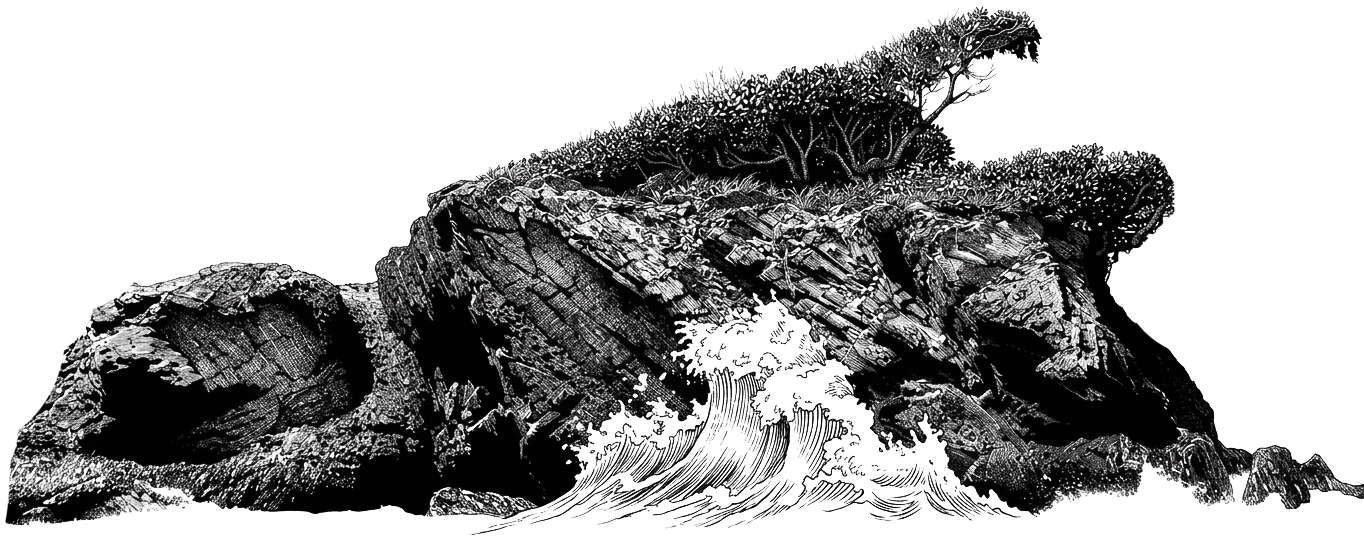
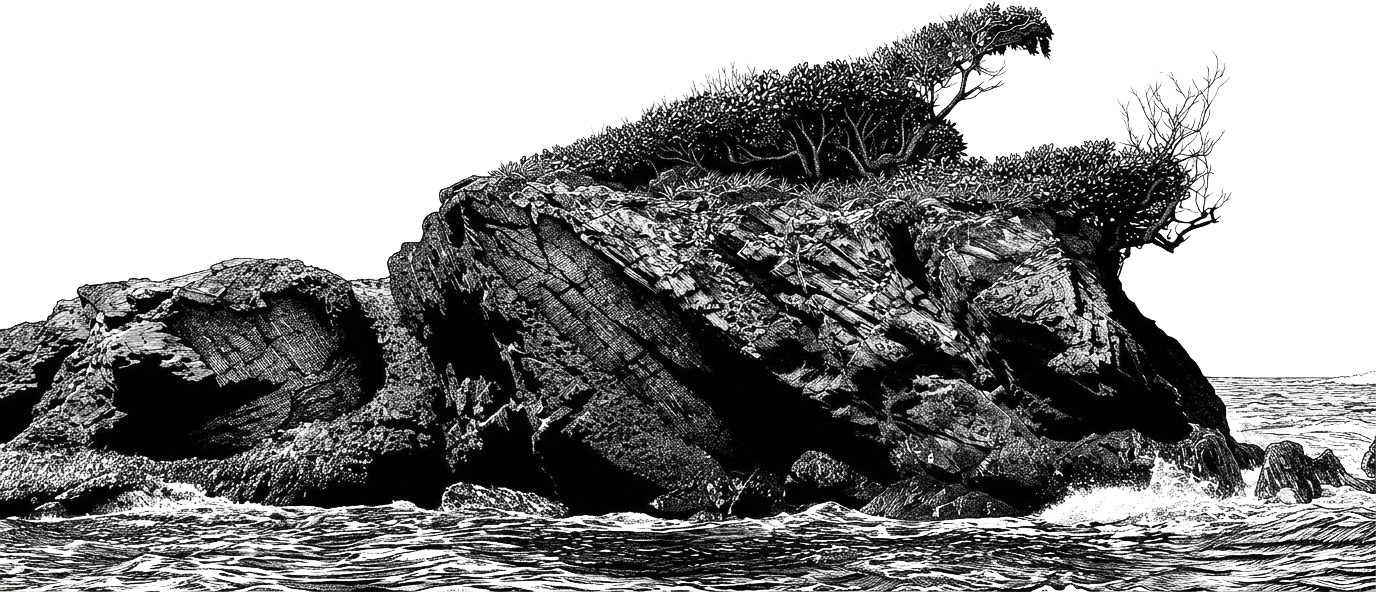
On the northeastern tip of Trinidad, on the grounds of a historic convent at Cumana, steps lead down to a hidden beach that almost no one knows. Here, where the Atlantic Ocean meets the Caribbean Sea, the two waters churn against each other. And just offshore, a great bluff of rock rises out of the sea.
Here, at the seam between the crossing and the arrival, we come to remember the women, to be remembered by them, and to remember ourselves. To call them home, to set us free.
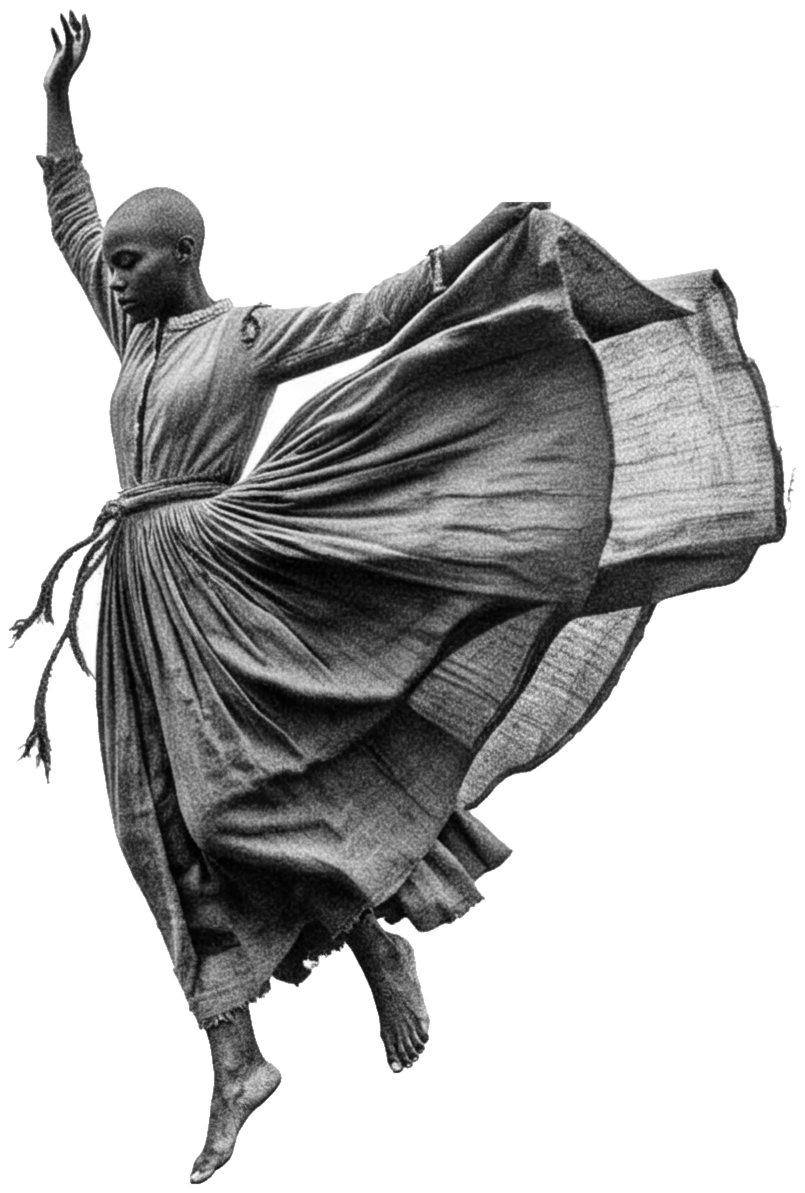
In Tobago, they still tell of Gang Gang Sara.
She was an African woman who could fly.
On a stormy night, long ago,
she rode the wind across the sea,
searching for her kin, who had been stolen from her.
Of all her people, she found only Long Tom,
whom she had known as a child in Africa,
now enslaved on the Golden Lane plantation.
She stayed beside him in bondage.
She became a midwife and healer to the enslaved,
a figure of power and mother to the people there.
There was one rule for Sara:
to keep her power to fly, no salt could ever pass her lips.
But the enslaver of Golden Lane,
a man they called Grandfather Peter,
wanted to keep Sara for his own.
So he fed her food salted in secret.
When Tom died, the old longing rose in her.
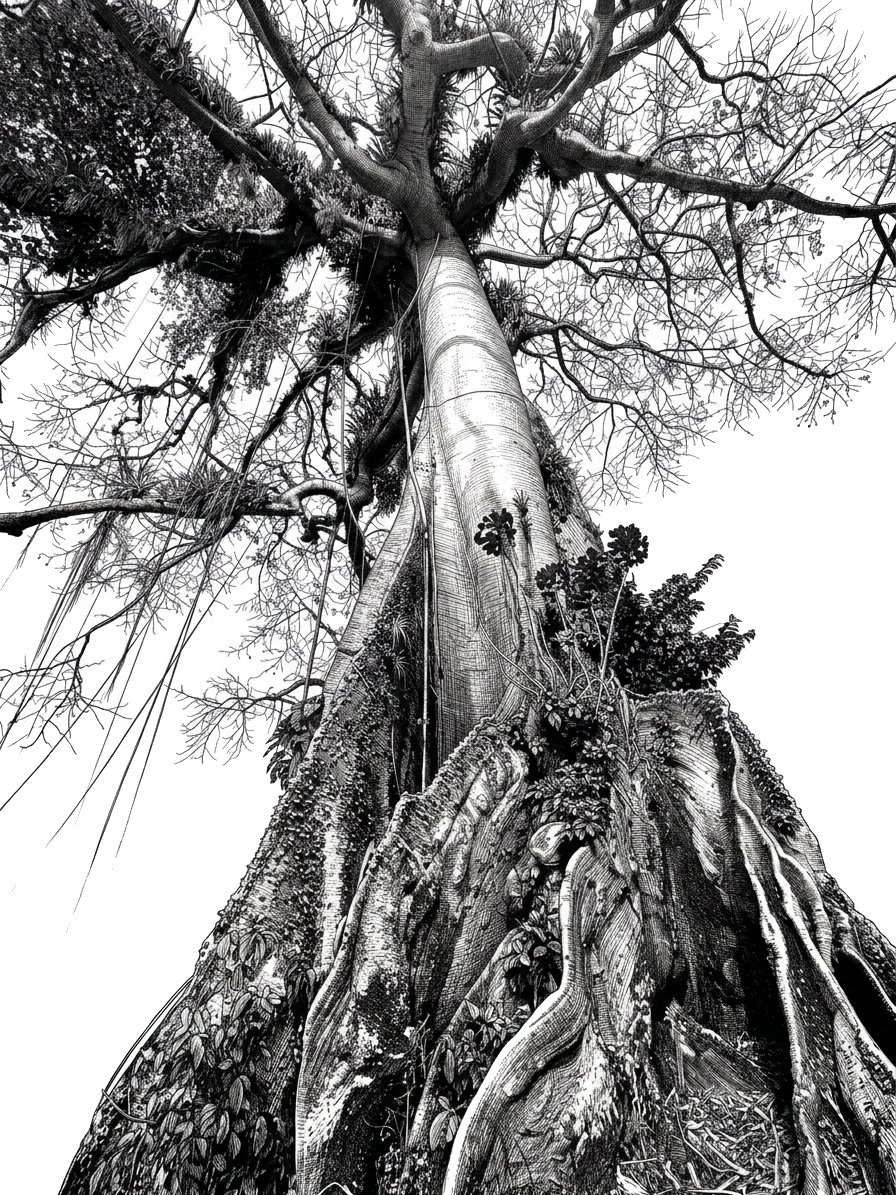
She went to the great silk cotton tree,
the tree where spirits live,
the place where she had promised to meet him.
She climbed it to fly, to fly, to fly.
But the salt had taken her power.
She fell.
Some say that she died there;
others say the spirits rose to catch her.
They buried her beside Tom in the village of Les Coteaux,
beneath the silk cotton tree.
Her grave is still there to this day.
The silk cotton tree is a sacred tree in the Caribbean, the dwelling of spirits. In Tobago, this was the tree she climbed to fly home.
The tree has since fallen.
Her grave still remains, in the care of the people of the village of Les Coteaux, who know her as kin. It is a designated heritage site, though little public investment has followed.
Part of our hope is that this work calls attention back to Gang Gang Sara, and to the place where she rests, so that the village’s care is met with the investment it deserves, and her story remembered.
From Tobago to the coast of Georgia, to the histories Zora Neale Hurston gathered in Jamaica, enslaved Africans told of people among them who could fly. But the stories kept one rule: whoever ate salt would grow too heavy for the wind.
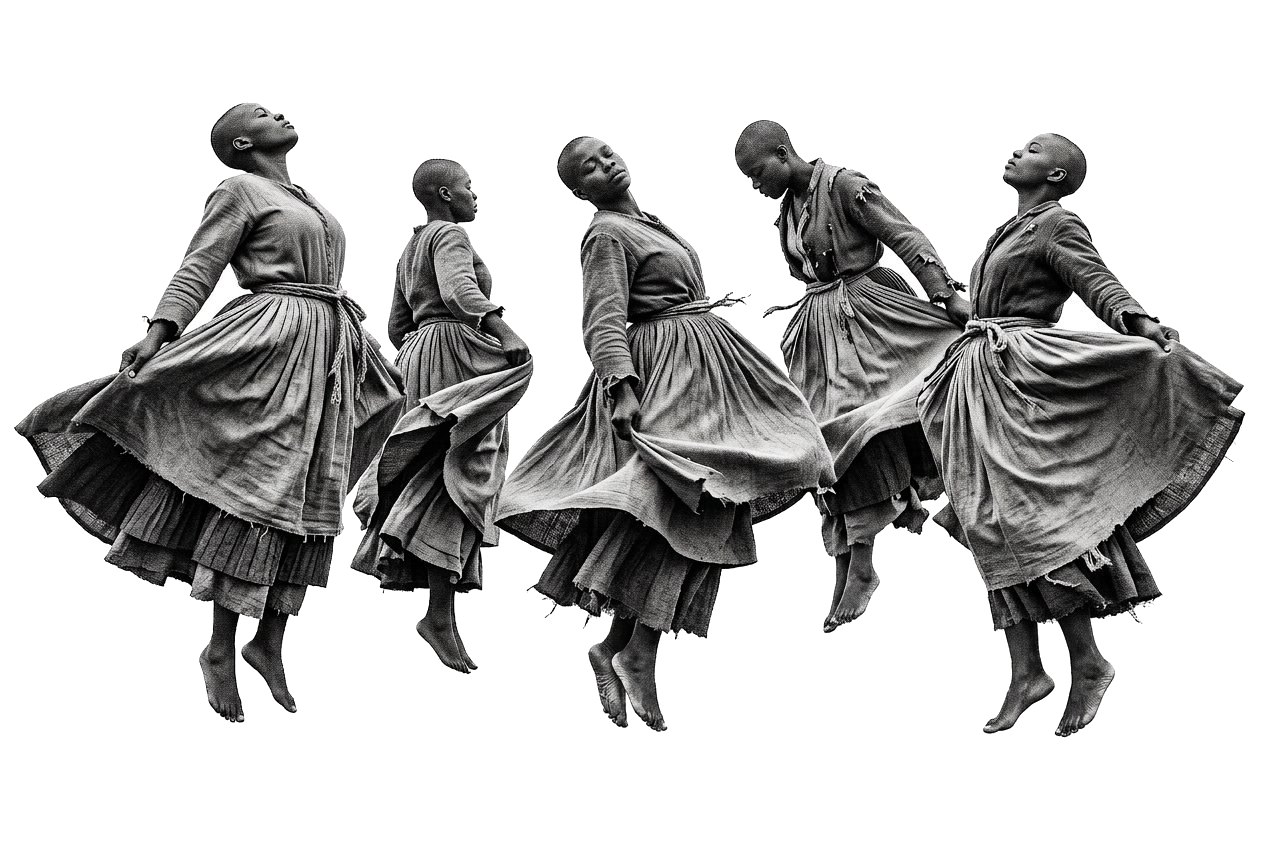
Sara is the name we can hold for all the women whose names were never kept. Their figures rising, rippling, dancing over the rocks, their flight caught in light, in the mist of sea spray beneath.

The bluff at Toco, at night.
Moving images are projected onto the face of the rock itself. The stone is first surveyed and mapped, and the images are shaped to its folds and hollows, so they seem to live on the rock rather than sit on a screen. This technique is called projection mapping.
It calls for a single high-powered projector, a mapping designer, a generator, and nights of rehearsal at the bluff.
The beach lies on the grounds of a historic convent at Cumana, Toco, on the northeastern tip of Trinidad, where the Atlantic meets the Caribbean Sea. The compound is secure, and the beach can be reached only through its grounds.
The convent is already set up to host large gatherings: a meeting room, a kitchen, ample bathrooms, beds for an overnight stay, and grounds that can accommodate musicians and performers. A generator can bring additional power to the shore.
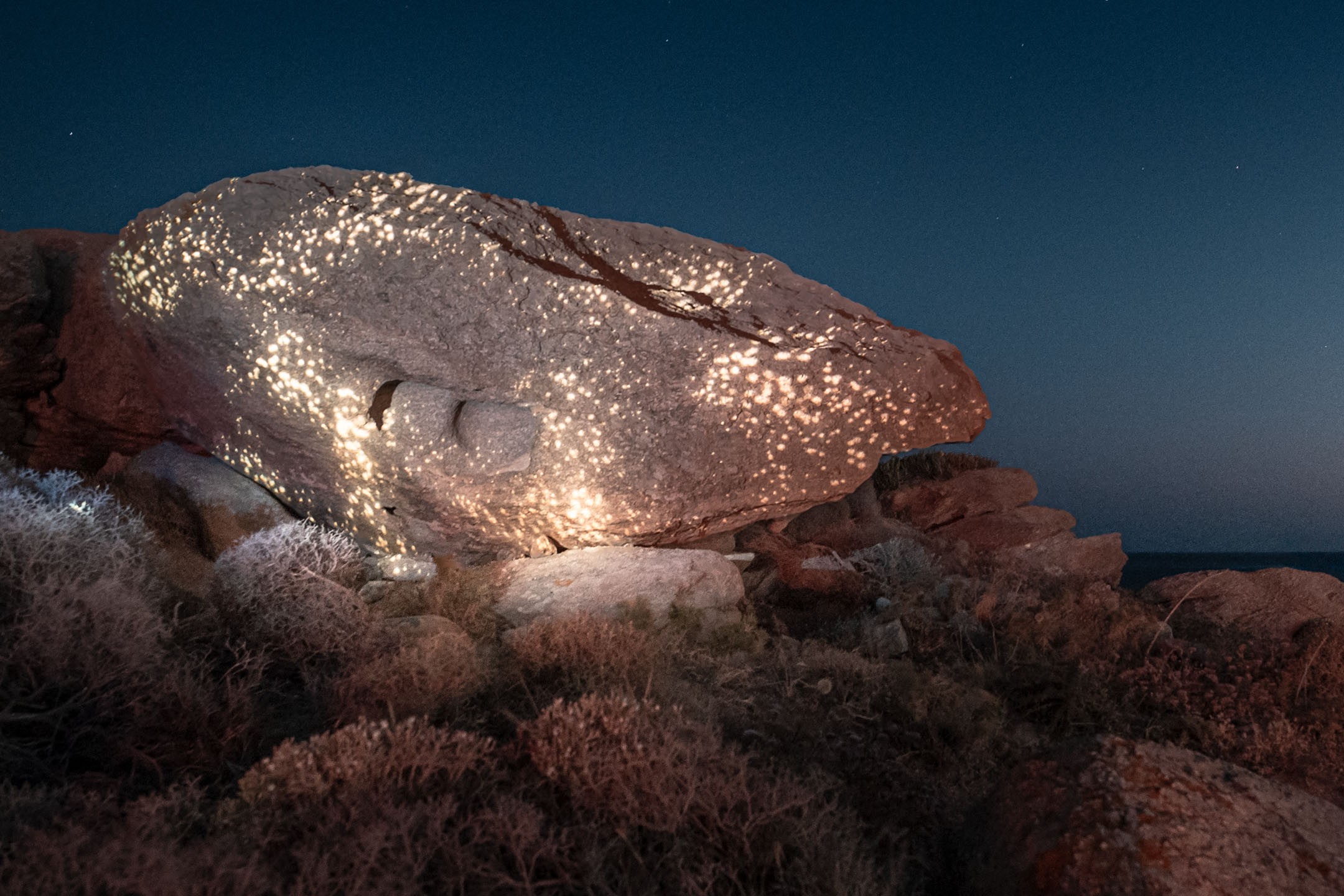
Philipp Frank, Scorpios Encounters, site-specific projection mapping. Scorpios, Mykonos, with HOFA Gallery, 2025.
Light held on natural coastal stone, at the scale of a bluff.
Robert Seidel, advection, two-channel video projection on a water fountain, 2013.
Light held in moving water and mist.
April 2027
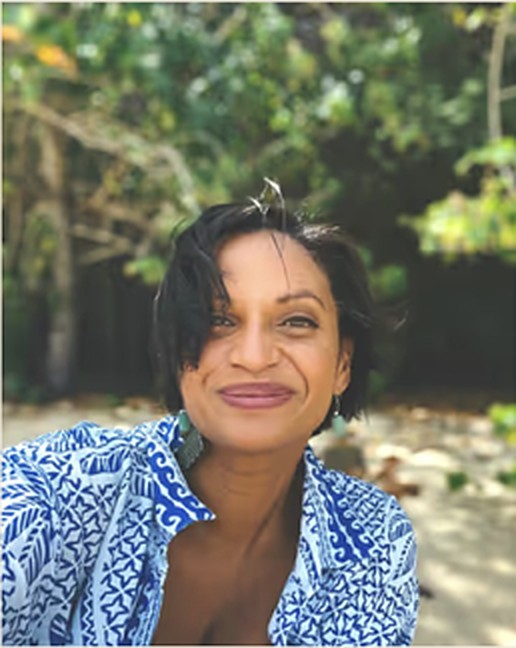
Nyssa Chow is a memory worker, oral historian, artist, and writer from Trinidad whose work draws on the memory practices of the Caribbean and the Global South. Her work attends to the poetry of ordinary lives: ways of being and knowing held by those who live on the margins of agency. Through installation, social practice, and documentary art, she builds otherwise architectures for remembering: place-based, communal, embodied, relational.
She is faculty at the Oral History Master’s Program (OHMA) at Columbia University, and a 2027 Artist-in-Residence at the Stellenbosch Institute for Advanced Study (STIAS), South Africa. She has received national commendations for her civic artwork Trace: A Memorial, and was awarded the PEN/Jean Stein Grant for Literary Oral History for The Story of Her Skin.
nyssachow.com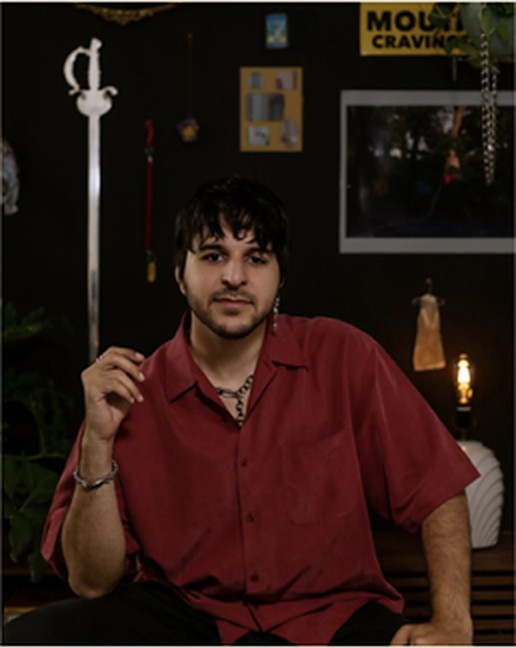
Daniel Arturo Almeida is an artist working through photography, installation, painting, and digital media. His practice chronicles intimate and collective stories in the Americas. Marked by inter-generational migrations, Almeida weaves fragmented stories through archival materials, melodies, documents, and footage to resignify historical manipulation, nostalgia, collective amnesia, and longing.
Selected exhibitions include The Elephant Never Forgets (2024, Locust Projects, Miami) and Glow in The Dark (2021, A.I.R. Gallery, Brooklyn). He received a curatorial fellowship at The Latinx Project at NYU (2021), and a membership at NEW INC, New Museum, New York (2022).
danielarturoalmeida.com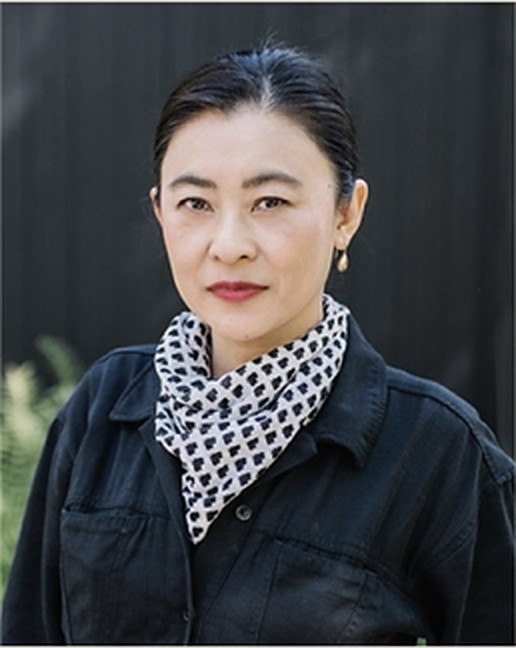
Jennifer Wen Ma is an interdisciplinary visual artist working across installation, painting, video, public art, performance, and social practice. Ma’s work brings together unexpected elements, narratives, and traditions, merging philosophical inquiry with contemporary materials to create poetic, emotionally resonant, multi-sensorial experiences.
She was a member of the core creative team and chief visual effects designer for the opening and closing ceremonies of the 2008 Beijing Olympics. Her large-scale, site-specific works include Nature and Man in Rhapsody of Light at the Water Cube, Beijing; Black Beauty: A Living Totem at the Vancouver Art Gallery; Paradise Interrupted, which premiered at Spoleto Festival USA; and Wings of Everchange, a permanent monument at 70 Mulberry Street, New York.
She is currently working on two major public artworks for the NYC Cultural Affairs Percent for Art program: the renovation of 70 Mulberry Street, and the Chinatown Welcome Gateway.
littlemeat.net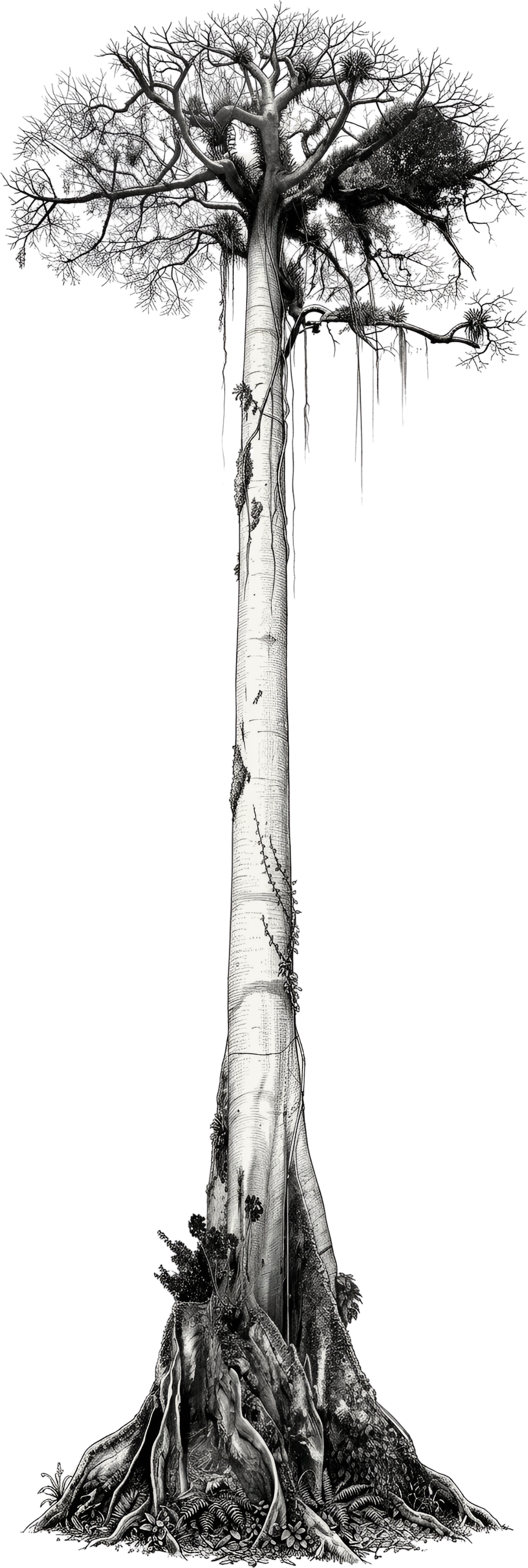
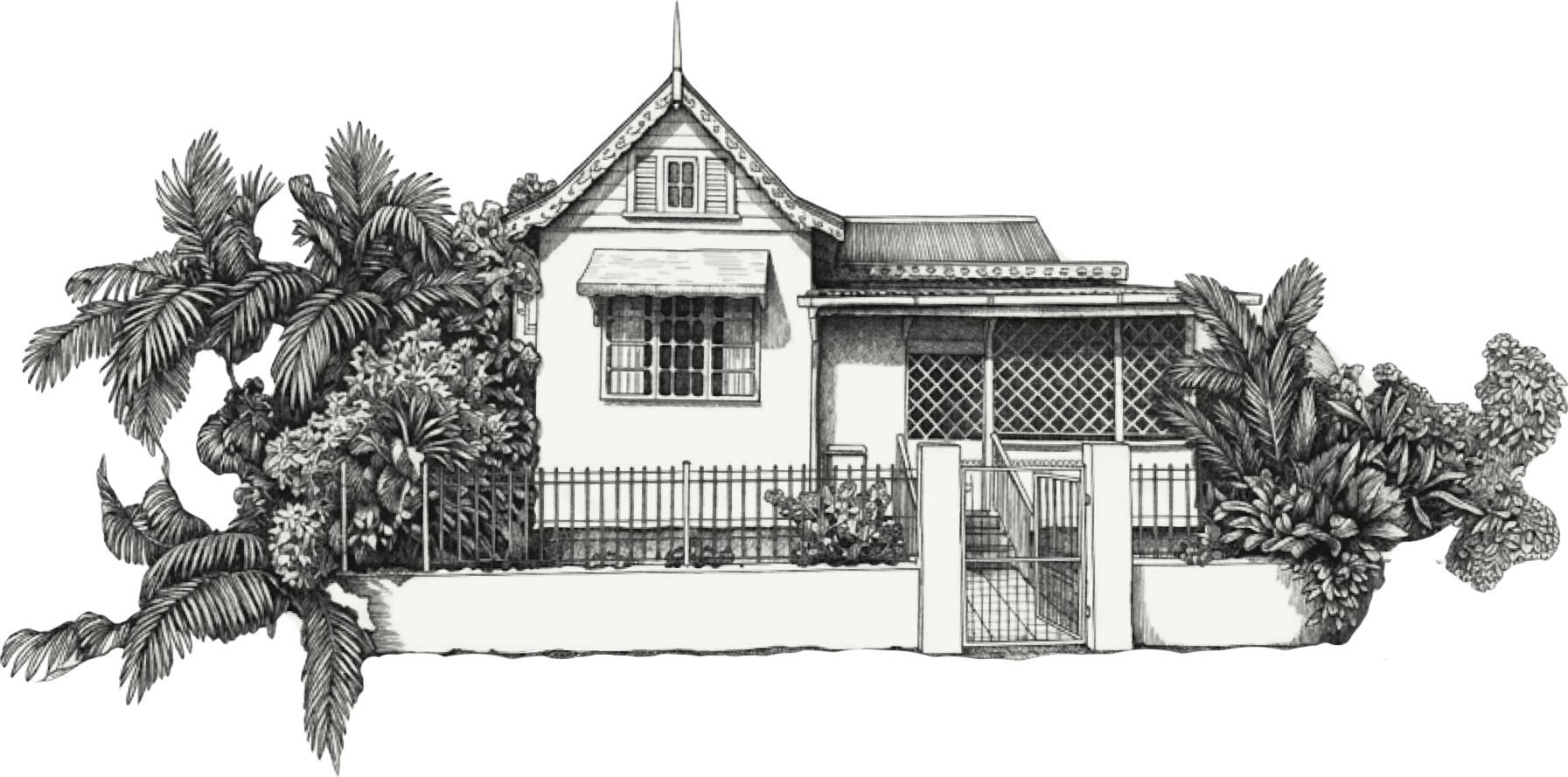
A grandmother’s house in Woodbrook, home to Speaking in Shadows and activated through the season by many events. A Memory of Flying is one of them.
A cohort of fifteen to twenty women meets at the house for a first session of curated talk and communal remembering.
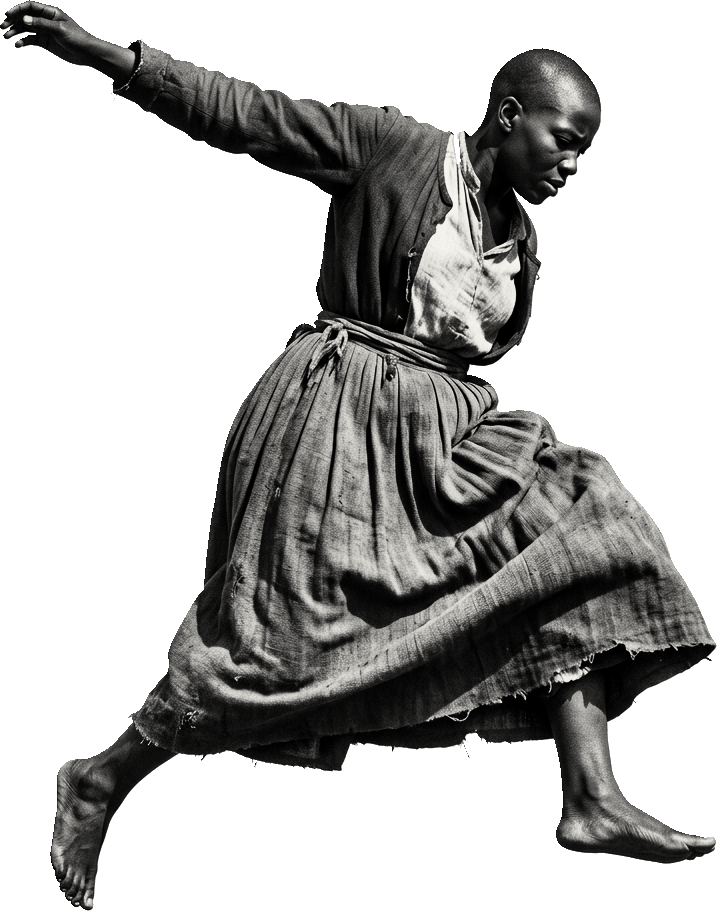
In Sara’s room the women meet her, and one another, and write the sentences that will enter the artwork.
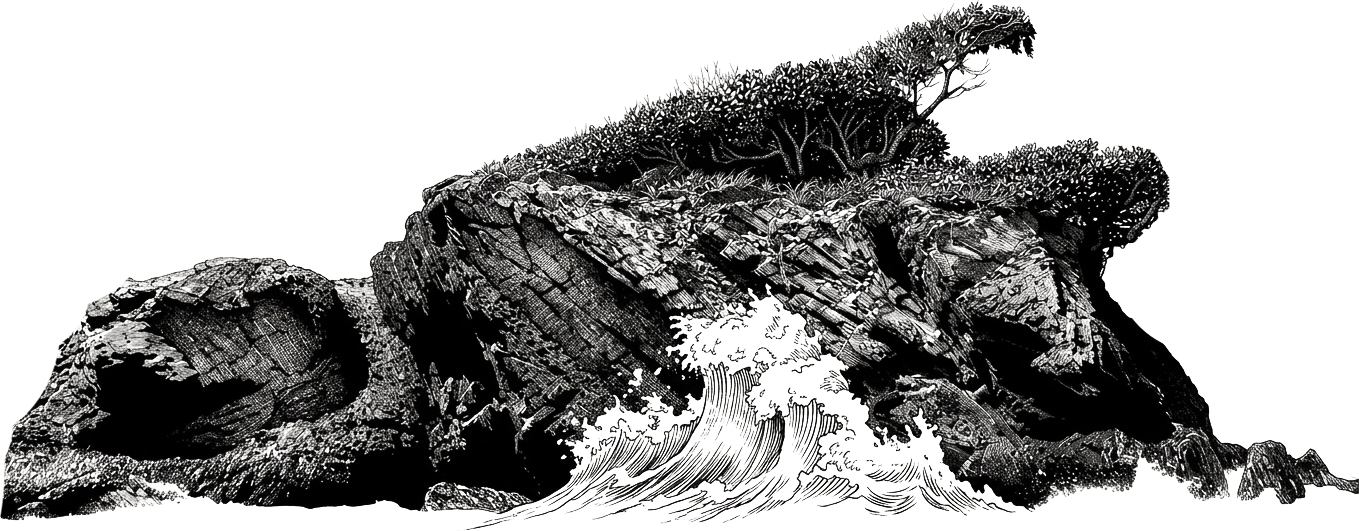
By bus in the morning to the convent at Cumana. The people of Les Coteaux, who have kept Sara’s memory for more than two hundred years, are the honored center of this gathering, joined by scholars, poets and history keepers, and meals shared.
At dusk, a candlelit walk from the convent down to the hidden beach.
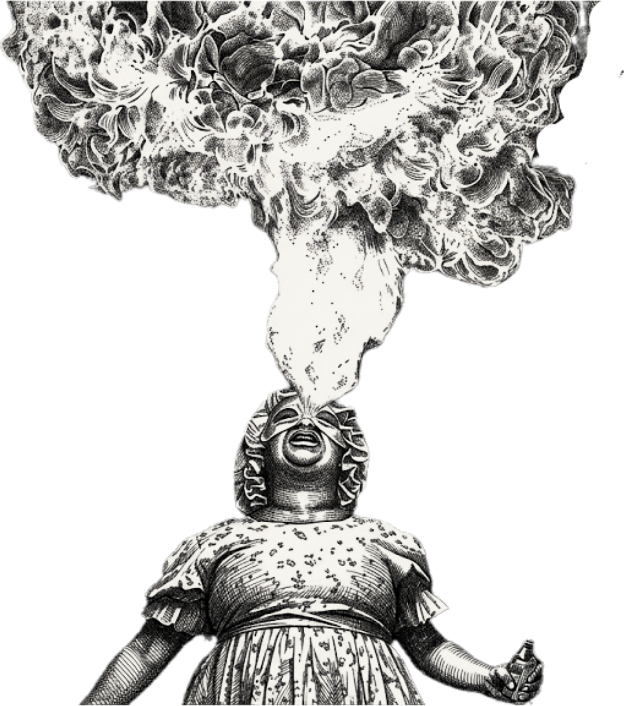
Drumming, the Baby Doll tradition, and the naming of the women, the practice at the heart of the work.
The moving images on the rock, watched from the stairs, the cliffs and the beach, scored by live music, drumming, voice, and performance.
The cohort is carried back to the city that night.